

Millions at Risk Across East Africa
More than 40 million people who depend on Lake Victoria for drinking water, fishing, farming, and transport are now at risk due to increasing levels of pollution, according to a new regional report.
The research, conducted across Kenya, Uganda, and Tanzania — all members of the East African Community — reveals a dramatic decline in water quality caused primarily by uncontrolled waste discharge, urban runoff, and untreated sewage flowing into the lake.
“Lake Victoria is under siege,” says lead researcher Dr. Josephine Atieno. “The lake is choking under pressure from human activity, and urgent action is needed to prevent irreversible ecological and public health damage.”
Urban Pressure and Poor Waste Management
As cities and towns around the lake rapidly expand, so do the volumes of industrial and household waste. Much of this ends up directly in the lake due to poor waste management infrastructure. Informal settlements, in particular, lack sewage systems, meaning raw waste often drains into nearby water sources.
In Kisumu, Mwanza, and Entebbe — three of the lake’s largest urban centres — the report found dangerously high levels of nitrates and heavy metals in water samples, posing serious threats to both aquatic life and human health.
Read Also:
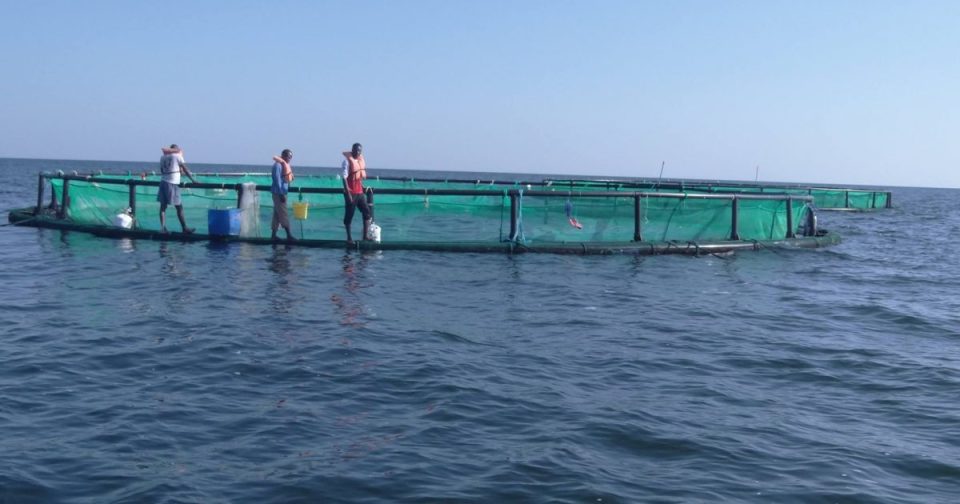
Fish farming’s ecological threat on Lake Victoria: A concerning issue
Lake Victoria set to get a fresh lease of life
Impact on Fisheries and Food Security
The lake’s famed tilapia and Nile perch populations are dwindling, not just from overfishing but from the collapsing water ecosystem. Fishers around the lake report smaller catches, dying fish, and algae blooms — signs of eutrophication triggered by excess nutrients in the water.
“The fish are getting sick, and so are we,” says Peter Otieno, a local fisherman in Mbita, Kenya. “We rely on this lake for everything. If it dies, we die.”
Regional Collaboration Needed
The report calls for joint policy action by the three countries to combat Lake Victoria water pollution, including enforcement of environmental regulations, investment in wastewater treatment, and public awareness campaigns.
While individual efforts have been made — such as Kenya’s 2024 ban on plastic bags and Tanzania’s lake cleanup taskforce — experts say a coordinated, cross-border approach is the only way to reverse the lake’s decline.
Deepening Environmental Crisis Around Lake Victoria Puts Over 40 mn Lives at Risk
