

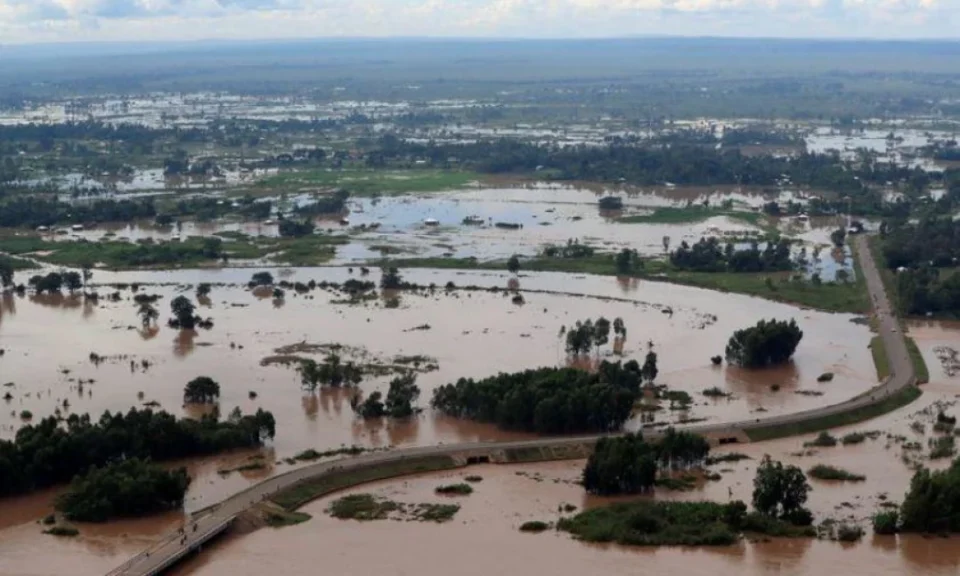
Enhanced rainfall expected to boost water resources while raising flood and infrastructure risks
Kenya is preparing for an enhanced October–December (OND) rainfall season, with forecasts pointing to above-average rainfall across much of the country. The anticipated rains could provide an important boost to water resources, agriculture and drought-affected areas, but they also raise concerns over flooding, drainage capacity and the resilience of water infrastructure.
The Kenya Meteorological Service has forecast above-average rainfall across many parts of the country during the 2026 OND season. The rains are expected to be fairly to well distributed in several regions, although some areas—including parts of Turkana and Samburu—could experience poorer distribution. Prolonged wet spells and isolated storms are also expected.
The outlook is being influenced by a strengthening El Niño event together with a positive Indian Ocean Dipole (IOD), climate patterns associated with increased rainfall over much of East Africa during the short-rains season.
For the water sector, the forecast presents both an opportunity and a challenge.
Opportunity to replenish water resources
Above-average rainfall could help replenish dams, rivers, groundwater systems and other water sources following periods of water stress. Increased water availability would also support livestock, agriculture and communities that depend heavily on seasonal rainfall.
The World Meteorological Organization says the October–December period is particularly important for the Greater Horn of Africa, contributing a significant share of annual rainfall in parts of Kenya and neighbouring countries. The current regional outlook indicates a high likelihood of wetter-than-normal conditions in several areas, including parts of eastern Kenya.
For water utilities and county governments, the rains provide an opportunity to improve water storage and strengthen supplies ahead of future dry periods. Capturing and storing runoff through dams, pans, reservoirs and other water-harvesting systems could help convert seasonal rainfall into longer-term water security.
Flood risk remains a major concern
However, heavier rainfall can quickly turn into a water-management challenge when drainage systems, river channels and urban infrastructure are unable to cope with sudden increases in runoff.
The regional climate outlook warns that excessive rainfall could result in flooding, damage to critical infrastructure, disruption of essential services and increased risks of water- and vector-borne diseases.
For Kenya’s rapidly expanding urban centres, the coming rains will put drainage networks and stormwater management systems to the test. Poorly maintained drainage channels, development in flood-prone areas and inadequate stormwater infrastructure can increase the impact of heavy downpours.
Water utilities will also need to protect critical infrastructure such as treatment plants, pumping stations, pipelines and intake points from flooding and contamination.
Turning rainfall into water security
The expected rains underline the importance of moving beyond emergency responses towards long-term water-resilience planning.
Effective water harvesting and storage can reduce the vulnerability of communities to both extremes of Kenya’s increasingly variable climate—drought and flooding. Protecting catchment areas, maintaining river corridors and improving urban drainage are equally important components of this approach.
The rainfall outlook also provides an opportunity for water-sector stakeholders to strengthen preparedness. Early monitoring of rivers, reservoirs and flood-prone areas can help utilities and communities respond more quickly when rainfall intensifies.
A season requiring preparedness
While the forecasted rains could improve water availability and support livelihoods, their benefits will depend largely on how effectively the country captures, manages and stores the additional water.
For Kenya’s water sector, the 2026 OND season is therefore more than a weather event. It is a test of the country’s capacity to manage increasing climate variability while protecting water infrastructure and turning periods of abundant rainfall into lasting water security.
With the season approaching, water utilities, county governments and communities will need to balance two priorities: harvesting as much water as possible while preparing for the floods that excessive rainfall can bring.
