

By Water East Africa Magazine
As Kenya endures another prolonged drought triggered by consecutive seasons of below-average rainfall, access to safe water is once again emerging as one of the country’s most urgent humanitarian priorities. Across many arid and semi-arid regions, millions of people are facing worsening food insecurity, livestock losses and dwindling water supplies, highlighting the need for long-term investments in climate-resilient water infrastructure.
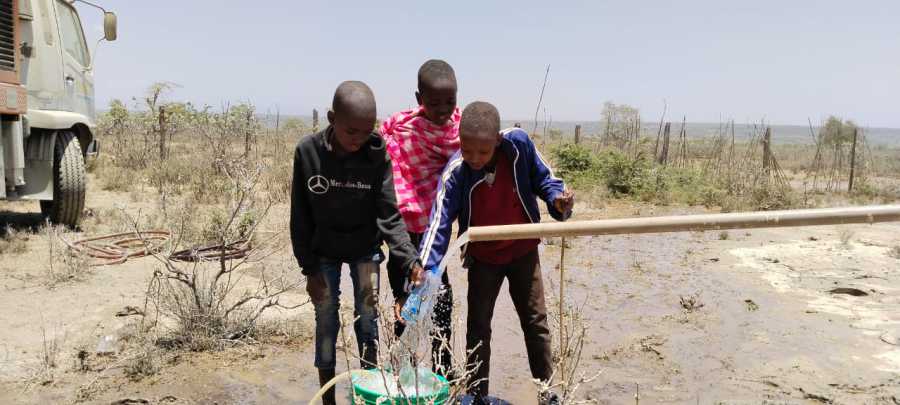
Humanitarian organisation Kenya Hope is responding by drilling borehole wells in vulnerable communities, providing reliable sources of clean water that continue to serve residents long after emergency relief efforts have ended. The organisation currently supports 17 communities across Kenya, with borehole development forming the foundation of its wider community development programmes.
According to Bryan Haley of Kenya Hope, the current drought follows below-average rainfall during both the October–December 2025 and March–May 2026 rainy seasons, conditions that have intensified the effects of climate change and renewed memories of the devastating Horn of Africa drought experienced between 2020 and 2023. The crisis has led to widespread crop failures, declining livestock productivity and increasing hunger across Kenya’s arid and semi-arid lands.
Beyond providing drinking water, the boreholes are delivering significant public health benefits. Residents who previously depended on rivers, dams and other unsafe water sources have reported sharp reductions in waterborne illnesses, particularly among children. Access to clean water has helped reduce cases of diarrhoeal disease while improving overall community health and well-being.
To ensure the systems remain operational, Kenya Hope works with local communities to establish maintenance funds supported by small household contributions. This community-led approach encourages local ownership while helping finance routine repairs and ensuring the boreholes continue serving residents for years to come.
The availability of reliable water is also generating wider socio-economic benefits. With less time spent walking long distances in search of water, families can devote more time to farming, education and income-generating activities. Improved water access also strengthens food security and community resilience, reducing the impacts of future droughts and supporting sustainable rural development.
As climate change continues to increase the frequency and severity of droughts across Kenya, development practitioners argue that expanding investments in boreholes, water supply systems and community-based water management will be essential to safeguarding livelihoods. The experience of communities supported by Kenya Hope demonstrates that reliable access to clean water not only improves health but also lays the foundation for long-term resilience and economic opportunity.
